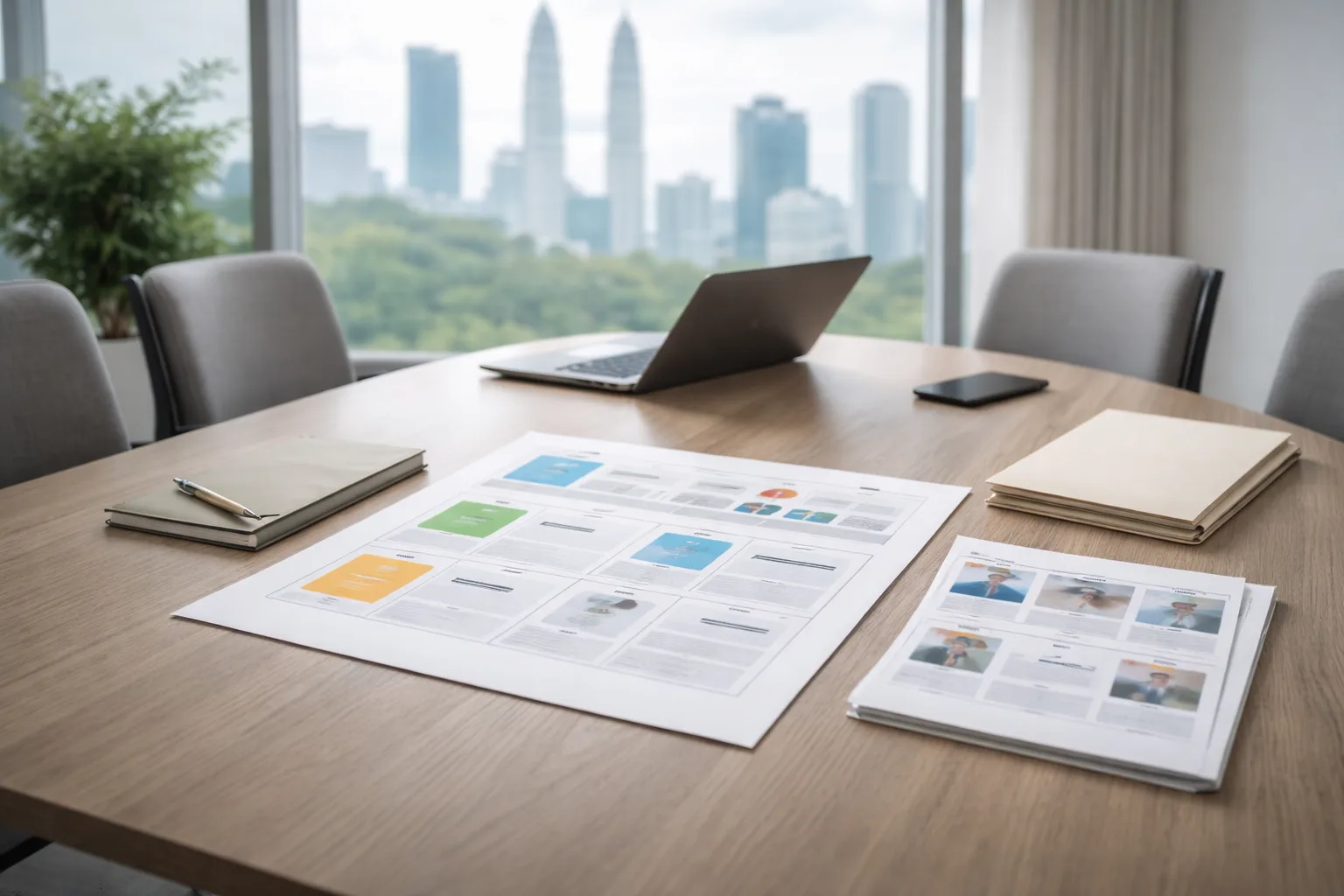
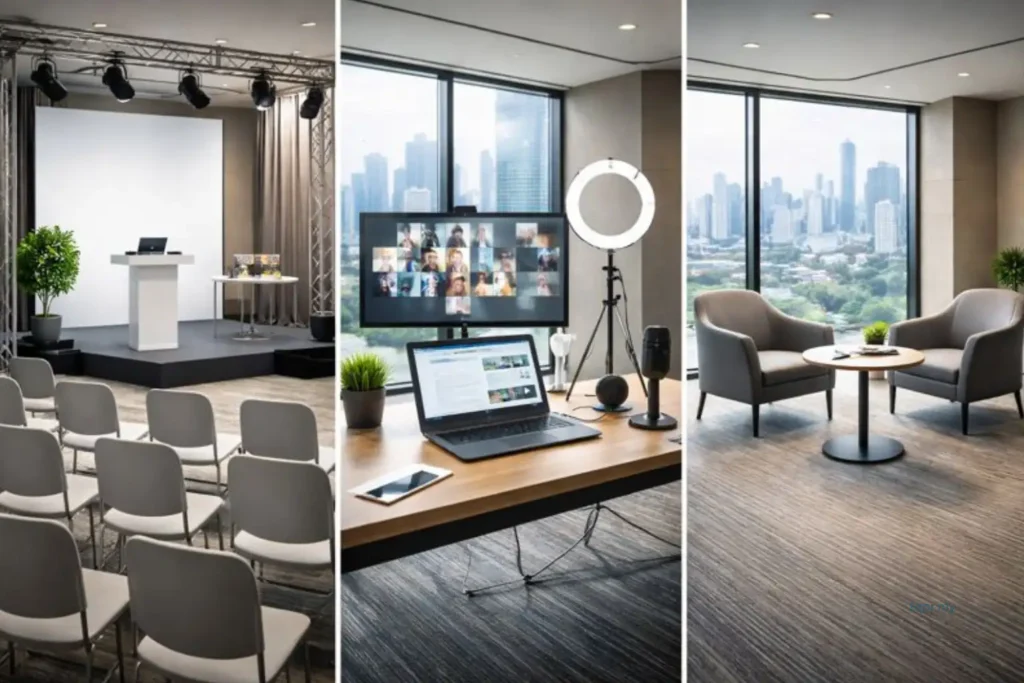
Choosing the right PR Format in Malaysia is less about what looks impressive, and more about what gets journalists to respond. Use a press event in Malaysia when you need strong visuals, on-site demos, and broad local coverage. Use a virtual media briefing in Malaysia when you need speed, scale, recordings, and easy access for regional teams. Use a one-on-one media briefing when you want tighter message control, deeper interviews, and stronger relationships with specific editors.
Most campaigns perform best with a blended approach that rolls out in phases, then improves based on pickup and follow-up outcomes. If you are planning your first campaign, start with our PR in Malaysia field guide.
PR Format in Malaysia: Key Takeaways
-
- Use a press event in Malaysia launch when you need visuals, product demos, and mainstream coverage on the same day.
-
- Use a virtual media briefing Malaysia setup when you need scalable attendance, recordings, and fast coordination across regions.
-
- Use one-on-one media briefings when you need discretion, tighter message control, or deeper beat-specific coverage.
-
- A strong PR Format in Malaysia includes a bilingual media kit (English and Bahasa Malaysia), clear spokesperson availability, and fast asset delivery.
-
- If you are unsure, start with a virtual briefing for broad access, then add selective one-on-ones for priority beats.
Decision Checklist: Choose a PR Format in Malaysia
Use this checklist before you decide your format:
-
- What is the goal?
-
- Awareness splash and visuals
-
- Controlled narrative and depth
-
- Regional scale and speed
-
- Crisis clarity and consistency
-
- Who must cover this for it to be a win?
-
- Mainstream outlets
-
- Business and corporate desks
-
- Tech, lifestyle, property, finance, or trade beats
-
- Influencers and creators
-
- Regional outlets in Sabah and Sarawak
-
- How complex is the story?
-
- Simple announcement with one key message
-
- Product or tech that needs a demo
-
- Sensitive topic that needs context and careful wording
-
- How ready are your assets?
-
- Bilingual one-page summary
-
- Photo and video folder with captions
-
- Quote options and spokesperson access
-
- Clear numbers, dates, and what is actually new
-
- How tight is the timeline?
-
- Same-week announcement
-
- 2 to 4-week planned launch
-
- Rolling updates over a quarter
If you tick “needs visuals” and “mainstream coverage” repeatedly, press event. If you tick “speed, scale, and coordination”, virtual. If you tick “sensitive, complex, or high-stakes relationships”, one-on-one.
Malaysia-Specific Factors That Change Your PR Format Decision
PR Format in Malaysia decisions change based on language, timing, and how different outlets work.
-
- Language expectations are real. If you want mainstream pickup, have Bahasa Malaysia materials ready. If you want corporate and regional coverage, English often matters. Many campaigns need both.
-
- News cycles and calendar clashes matter and keep it compliant with local content standards where relevant. Public holidays, big national headlines, and major events can bury your story. Plan around them.
-
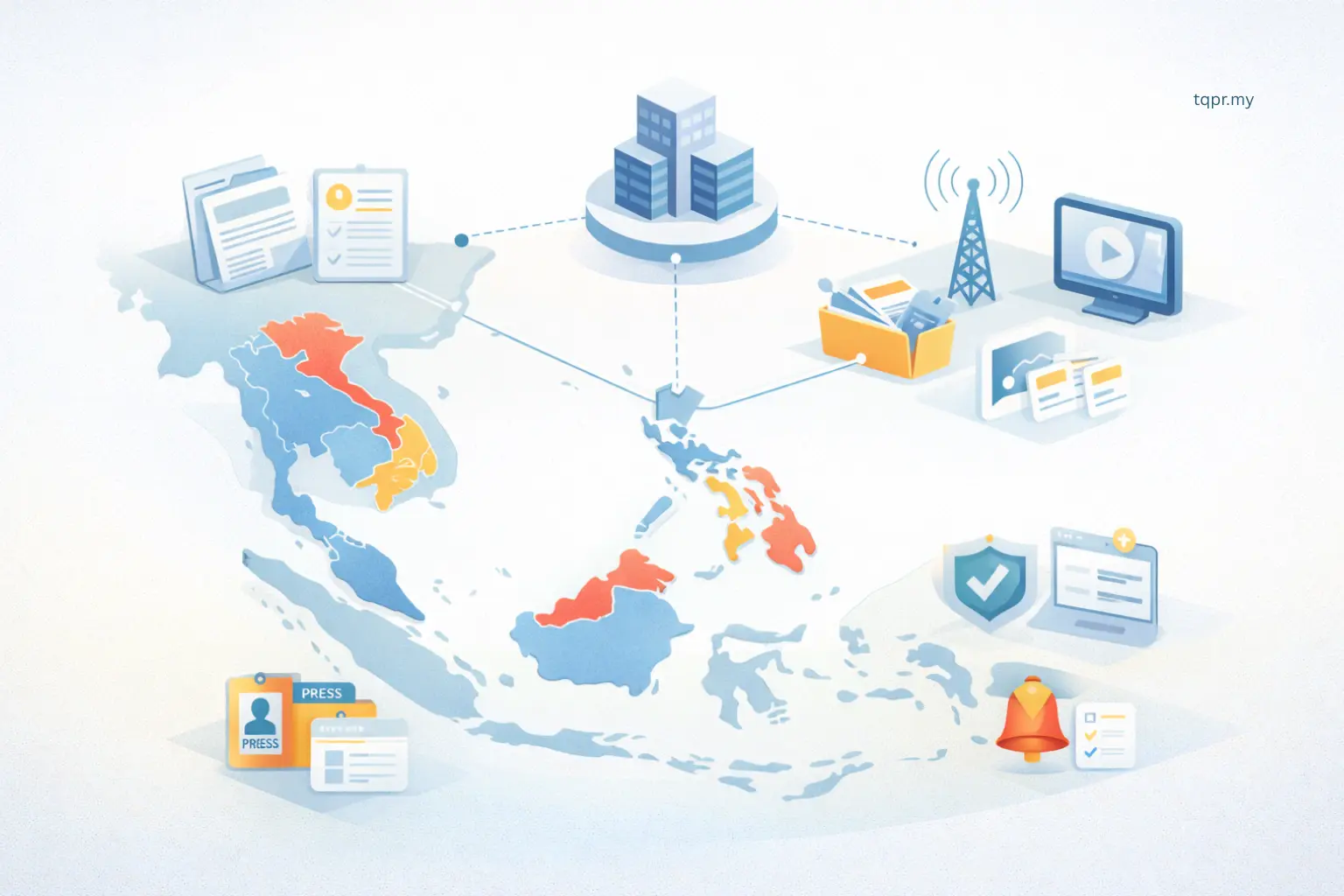
- Peninsular vs East Malaysia distribution is not equal. A virtual briefing can remove travel friction for Sabah and Sarawak, but you may still need local partner support or regional spokespeople if community-based coverage matters.
-
- Journalists want usable assets fast, and many explicitly want multimedia assets included. A clean media folder, captions, and a reachable spokesperson will often beat a long ‘nice sounding’ plan.
The best PR Format in Malaysia is the one that reduces effort for journalists while keeping your story verifiable, local, and usable.
Quick Comparison: Press Event vs Virtual Briefing vs One-on-One
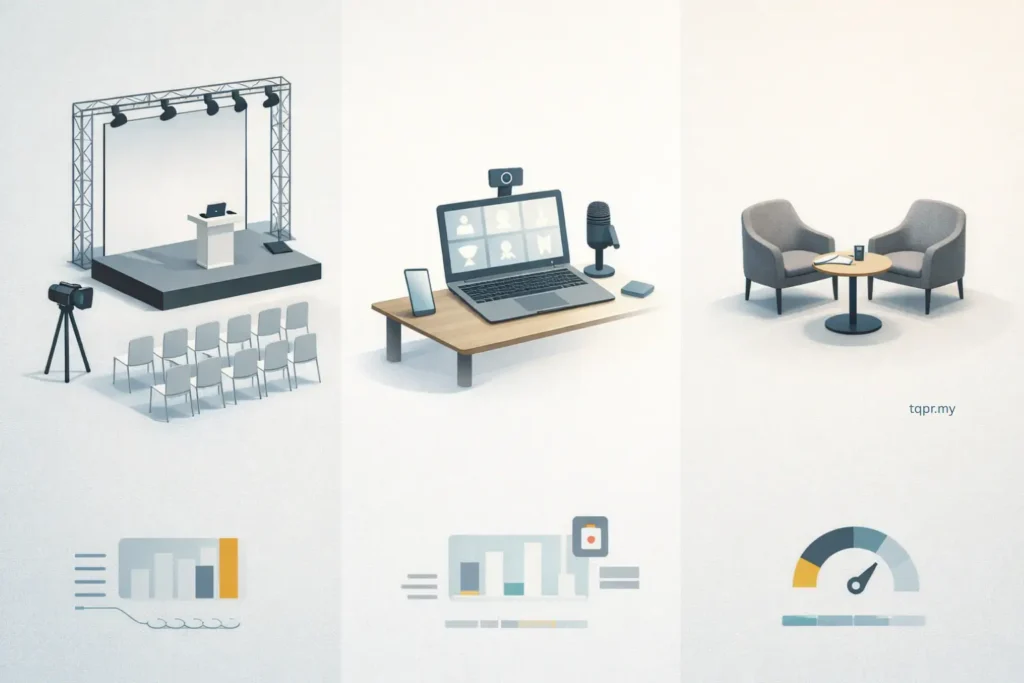
Press event in Malaysia
Best for: big launches, milestones, strong visuals, on-site demos, group coverage
Trade-off: more logistics, higher cost, more moving parts
Virtual media briefing in Malaysia
Best for: regional scale, fast coordination, on-demand recording, efficient access
Trade-off: your content and delivery must be tight or people drop off fast
One-on-one media briefing
Best for: exclusives, sensitive topics, deep beat coverage, relationship-building
Trade-off: more staff time per journalist, less total reach
When to Run a Press Event in Malaysia: Goals and Local Media Impact
Run a press event Malaysia style launch when you need photo moments, a demo, or a physical experience that makes the story easier to cover. It works well for product launches, partnerships, major milestones, and announcements that benefit from live Q&A and on-the-record quotes.
Press event Malaysia checklist
-
- Keep the news hook upfront. Do not bury it behind speeches.
-
- Prepare a bilingual media kit (English plus Bahasa Malaysia) with a one-page summary and labeled visuals.
-
- Have a spokesperson ready for short quotes, supported by spokesperson media and message training, and a technical person for detailed questions.
-
- Plan photo moments and demo moments that match the story angle.
-
- After the press event, follow up with the same asset pack and a short “what you can quote” section. For the structure, use our press release Malaysia checklist.
When to Choose a Virtual Briefing in Malaysia: Scale, Access, Efficiency
Choose a virtual media briefing in Malaysia when you need speed, scale, and repeatable access. It is useful for regional teams, international stakeholders, and when you want the flexibility of recordings and easy sharing.
Virtual briefings are also useful for rolling updates where the story evolves and you want consistency. Your job is to make it easy for editors to attend, ask questions, and leave with usable material.
Virtual media briefing Malaysia checklist
-
- Send a calendar invite with the topic stated clearly.
-
- Keep the deck short and make the Q&A easy to run.
-
- Provide a recording link and a clean media folder quickly after.
-
- If you are targeting Bahasa Malaysia outlets, provide a Bahasa Malaysia lead and quote options they can use.
-
- Use a simple registration form so you can track attendance and follow up cleanly.
When to Choose One-on-One Media Briefings: Control, Relationships, Exclusivity
Choose a one-on-one media briefing when you need tight narrative control, deeper explanation, or discretion. This format is strong when the story is complex, sensitive, or high-stakes, and when you want to win specific editors on specific beats.
One-on-ones also work well after your broader push, when you want deeper follow-up stories and interviews.
One-on-one media briefing checklist
-
- Pick a single beat angle for each journalist, not a generic “everything” pitch.
-
- Bring a short briefing note, one quote, and one data point that can be verified quickly.
-
- Offer a realistic exclusive, like first access to the spokesperson, a deeper demo, or an early walkthrough.
-
- Confirm language preference (English or Bahasa Malaysia) before the call.
-
- End with a clear next step: what they need to publish, and when you will send it.
How to Build a Blended PR Plan in Malaysia: Timing, Audience Split, Budget
Most strong campaigns use a blended PR Format in Malaysia:
-
- Phase 1: Virtual briefing to reach more people with less friction. Collect questions, objections, and what journalists actually care about.
-
- Phase 2: Press event for local impact if visuals or demo value is high.
-
- Phase 3: One-on-ones for priority beats that want deeper access, better quotes, or a more technical explanation. If this is a launch, plan it around a 90-day PR timeline for Malaysia so your outreach is not random week to week.
Audience split matters. National and mainstream outlets may care about clean headlines and usable visuals. Trade and beat journalists may want context and proof. Creators may want assets and clear story angles.
Budget and Resourcing for PR Format in Malaysia
Budgeting for PR Format in Malaysia is usually about time, logistics, and asset readiness, not just venue cost.
-
- A press event in Malaysia needs venue coordination, media handling, on-site registration, photography, and tighter control on spokesperson time.
-
- A virtual media briefing in Malaysia reduces logistics but increases pressure on preparation, because your slides, visuals, and speaking flow must be clean.
-
- One-on-one media briefings cost the most in staff time because each conversation needs customization, but they can produce the highest quality coverage when you target the right editor.
If your team is small, a practical approach is to run a virtual briefing first, then do selective one-on-ones only for outlets that can move the needle.
Example Rollout Timeline for a PR Format in Malaysia
Here is a simple rollout that fits most launches:
-
- 3 to 4 weeks before: finalize the story angle, media list, spokesperson, and core media kit.
-
- 2 weeks before: run a virtual media briefing Malaysia editors can attend easily, collect questions and objections.
-
- Launch week: hold the press event Malaysia outlets can photograph and film, or release the main announcement if you are skipping an event.
-
- Next day: send a short follow-up note with the one-page summary, the best quote, and the media folder link.
-
- That week: run one-on-one media briefings for priority beats that want deeper access.
-
- Week after: compile pickups, note what got misunderstood, and adjust the next wave of outreach.
Measure PR Impact: KPIs and Tools to Compare Formats
To compare PR formats, measure what matters for your goal. Keep it consistent across formats so the comparison is fair. If you want a ready-to-use KPI set, use our PR KPIs in Malaysia guide.
Core KPIs (all formats)
-
- Pickup quality: did the coverage reflect the right message, or did it drift?
-
- Outlet relevance: did you hit the beats and audiences you targeted?
-
- Depth: short mentions vs full stories, interviews, or features
-
- Action signals: branded searches, site visits, enquiries, event sign-ups, stakeholder responses
Format-specific KPIs
Press event Malaysia
-
- attendance quality (who showed up, not just how many)
-
- volume of usable photos or demo coverage
-
- same-day coverage speed
Virtual media briefing Malaysia
-
- registration to attendance rate
-
- Q&A engagement (questions asked, follow-ups requested)
-
- recording views if you use on-demand
One-on-one media briefing
-
- depth indicators (interview quality, feature length, quote usage)
-
- relationship signals (follow-up requests, future story interest)
PR Format in Malaysia FAQ
What PR Format in Malaysia is best for a product launch?
If the product needs visuals or a demo, a press event in Malaysia works well. If the goal is speed and broad access, a virtual media briefing in Malaysia usually gets faster attendance. For high-stakes launches, combine both and add one-on-one media briefings for top editors.Do Malaysian journalists prefer press events or virtual briefings?
It depends on the beat. Some editors want quick access and usable assets, which virtual briefings support well. Others want an on-site demo or a clean quote they can trust, which press events can deliver. The best PR Format in Malaysia is the one that matches how that journalist actually works.Should PR in Malaysia be in English or Bahasa Malaysia?
If you want mainstream coverage, prepare Bahasa Malaysia versions. If you want corporate, business, or international pickup, English is often required. Many campaigns perform best with both so your PR Format in Malaysia can reach different newsroom workflows.How early should we invite media for a Malaysia PR format?
For planned launches, invite early enough for editors to schedule it, then follow up closer to the date with the one-page summary and asset folder. For fast updates, virtual briefings and one-on-ones can be arranged quicker if your materials are ready.What should we measure to know if our PR Format in Malaysia worked?
Track pickup quality, message accuracy, and whether the coverage drove actions like searches, site visits, enquiries, or stakeholder responses. If the campaign is long, also track which format produced deeper stories versus quick mentions.Conclusion: The Best PR Format in Malaysia Is the One Journalists Use
A good PR Format in Malaysia is the one that matches newsroom workflow, language needs, and how fast you can supply usable assets. Press events work when visuals and on-site demos make the story easier to publish. Virtual briefings work when you need efficient attendance, recordings, and regional coordination. One-on-ones work when you need control, depth, and trust with specific editors.If you want this to perform consistently, build a simple blended rollout, prepare bilingual assets early, and measure pickup quality, not just volume.
If you want a clean next step, request a quick PR format plan and media kit checklist you can reuse for your next launch.