How PR in Malaysia Really Works: A Field Guide for Regional Marketers
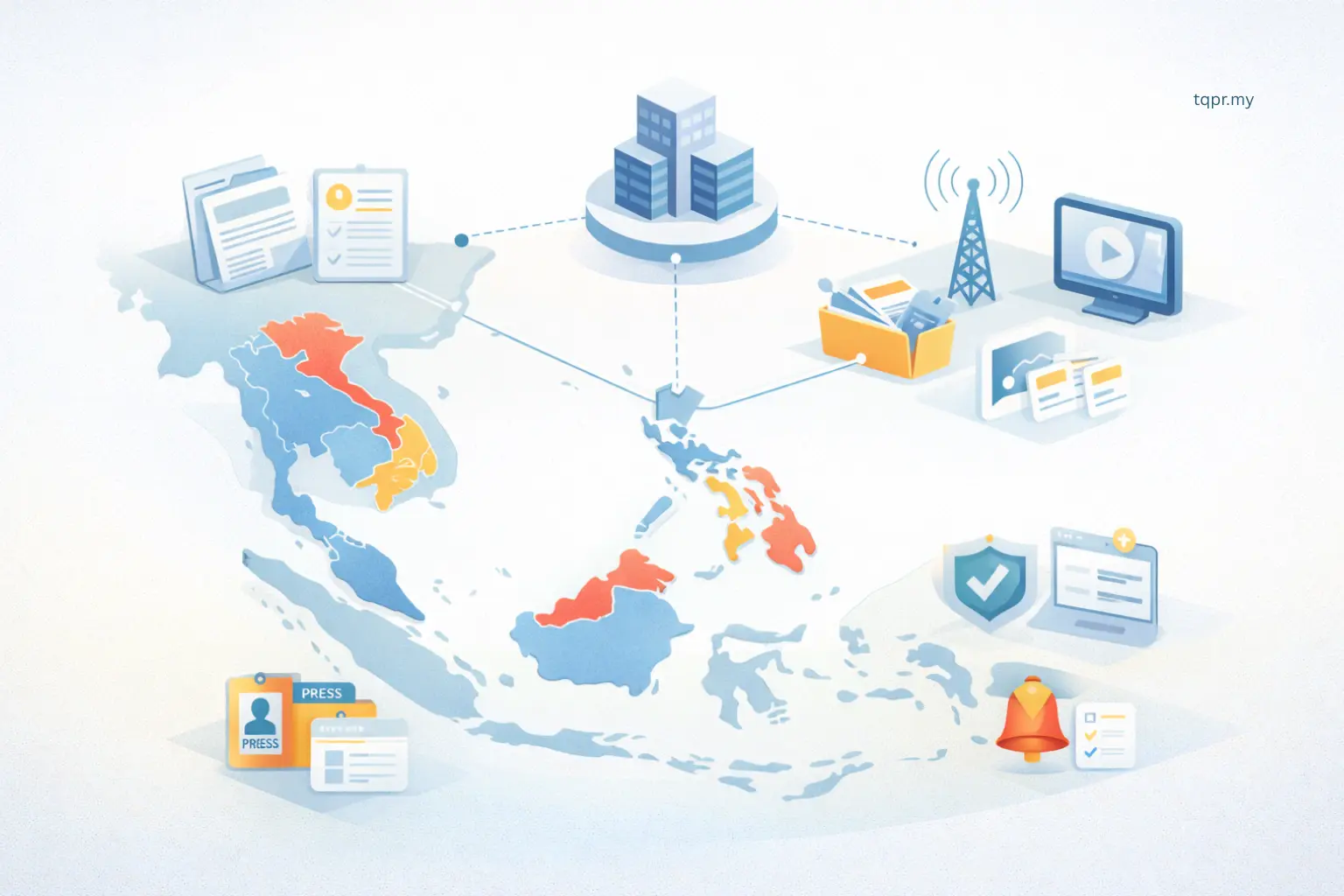
You will win at PR in Malaysia by pairing multilingual, region specific work with trusted local gatekeepers rather than blasting one size fits all messages. Map audiences across Malay, Chinese, Indian and indigenous groups, and match outlets, spokespeople and timing to each region. Blend national press with community radio, social video and influencers, and invest in long term ties with village leaders, associations and event partners. Measure by language and location, iterate fast, and keep crisis plans ready. If you want a clean measurement set, use our PR KPIs in Malaysia guide. For the first-day response, keep our crisis communications in Malaysia first 24 hours checklist on hand.
Continue for practical tactics and checklists.
If Malaysia is a priority market, anchor your plan with a local PR in Malaysia team backed by media relations and strategy that understands language, regulation and regional nuance.
that understands language, regulation and regional nuance.
PR Snapshot: Malaysia Campaigns That Land
- Localise language and outlets: tailor messages in Malay, Mandarin, Tamil, and native Borneo languages and pick matching publishers.
- Segment by region: separate Peninsular and East Malaysia tactics, using urban social-first channels and rural on-the-ground spokespeople.
- Blend channels strategically: combine national print/TV credibility with YouTube, WhatsApp, Facebook, Instagram, and TikTok for reach.
- Build three-pillar partnerships: collaborate with SMEs, trade associations, and cultural gatekeepers for trust and sustained access.
- Align timing and creative work to cultural calendars and regional rituals, measure by language/region, and iterate weekly.
Understanding Malaysia’s Multicultural Media Landscape
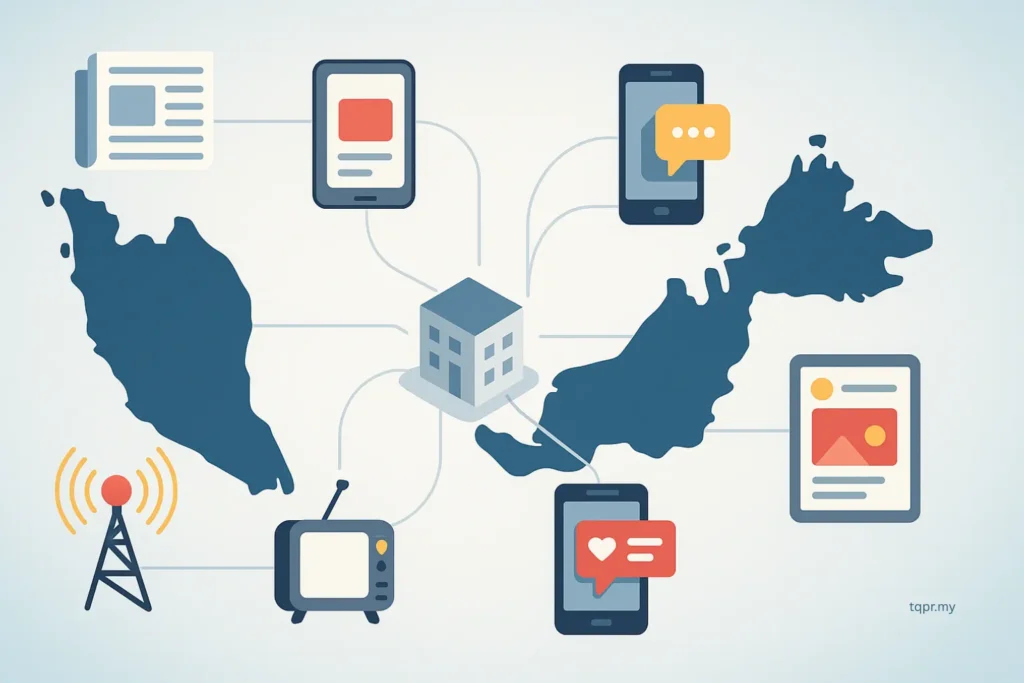
How do you win attention in Malaysia’s media maze? You map the multicultural media landscape, then act. Prioritise multilingual audiences across Malay, English, Mandarin and Tamil, and match outlets. For example, use MalaysiaKini or The Star for national reach, Harian Metro and Berita Harian for vernacular depth, plus Yahoo and digital native platforms for younger users. Build ties with journalists, influencers and platform owners, and keep campaigns aligned with local content standards where relevant, then favour video and interactive formats where engagement is strongest.
Split tactics by region. If you are deciding whether to run an event, a virtual briefing or selective interviews, use our PR format in Malaysia guide. Peninsular stories often lean on Malay language drama, urban social platforms and national TV. Sabah and Sarawak need regional localisation, harvest themes and indigenous languages. Measure performance across channels such as YouTube, WhatsApp, Facebook, Instagram and TikTok, and iterate quickly to keep relevance high.
PR in Malaysia: Who You Need To Reach And How
Who do you need in your corner to make a Malaysian campaign stick? Start by mapping regionalisation. Separate Peninsular and East Malaysia, and segment Malay, Chinese, Indian and indigenous audiences.
Build three pillar partnerships with:
- SMEs and local businesses
- Trade associations
- Cultural gatekeepers such as community leaders and festival organisers
This helps you gain credibility in villages, kampungs and urban centres. For examples, review recent PR in Malaysia case studies that show how partnerships play out on the ground.
Combine media partnerships with national outlets and local language publishers to balance mobile first urban reach and community driven rural activation. Recruit regional spokespersons and trusted village leaders for in person trust building where digital penetration is lower. Sync timing with local moments for relevance. Measure engagement by region and adjust cadence, for example more events in Sabah and Sarawak, more social first tactics in Kuala Lumpur. Prioritise authentic, sustained relationships over one off visibility.
Localising Messages For PR in Malaysia: Language, Religion and Culture
Because Malaysia’s social fabric is defined by language, faith and region, you will only earn trust when your messages speak the right tongue, respect religious rhythms and reflect local life, not generic national copy with stock imagery.
Plan localisation that:
- Maps Bahasa Malaysia to mass reach
- Uses Mandarin or Hokkien and Tamil for community resonance
- Adds Kadazan, Iban or other dialects in East Malaysia where relevant
Align campaign timing and creative work with religious calendars. Ramadan and halal cues matter for Muslim audiences, while harvest festivals and regional events matter more in East Malaysia. Use local spokespeople, authentic motifs and community rituals to avoid tokenism. Measure responses by region and language, adjust quickly, and build long term ties with cultural custodians. This approach makes multilingual PR actionable and embeds cultural nuance in every campaign.
Channel Mix for PR in Malaysia: Traditional Media, Digital Platforms and Influencers
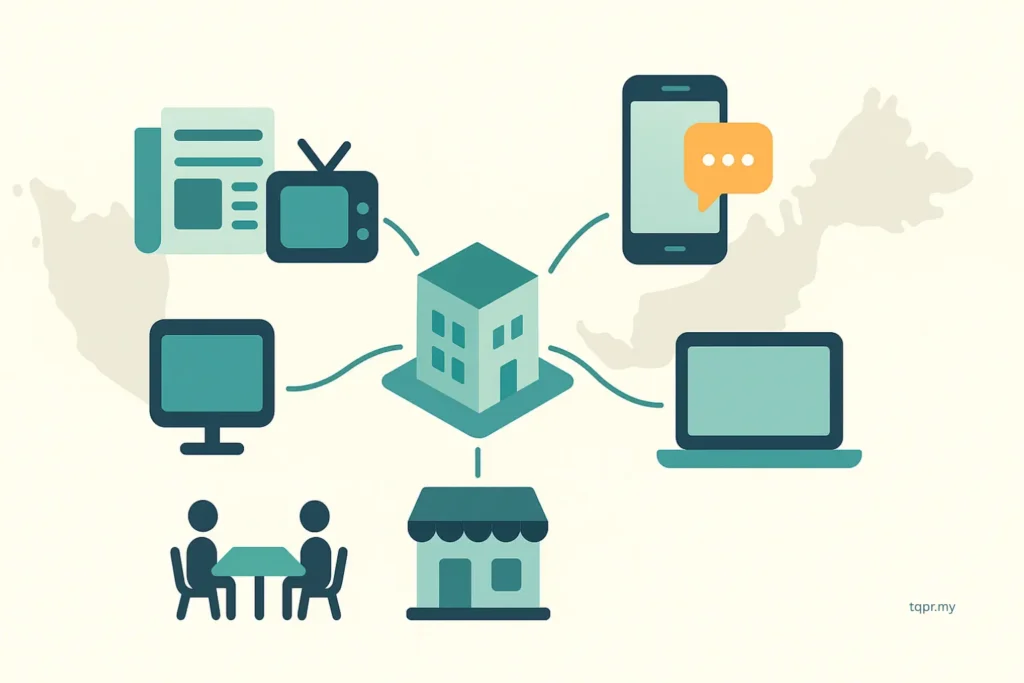
After you have tailored messages by language, faith and region, you then pick the right mix of channels to make those messages land. Blend respected print and broadcast outlets such as The Star and Harian Metro with high engagement digital platforms like YouTube, WhatsApp, Facebook, Instagram and TikTok, plus curated influencer management support.
Map audiences to:
- Traditional media for credibility
- Local radio and community papers for East Malaysia reach
- Targeted social tactics for urban youth and working adults
Cultivate regional journalists, bloggers and influencers with aligned beats, and nurture those relationships proactively. Use geo targeted analytics and monthly A/B tests to refine messaging, visuals and scheduling. Produce indigenous language assets and harvest themed visuals where they resonate. Measure click through rates by Peninsular and Borneo segments, iterate quickly, and let data guide how you balance traditional media, digital platforms and influencers.
Regional marketers can use a Malaysia PR services overview to align channel choices with budget, in market partners and timelines.
Building Regional Partnerships, Events and Community Engagement in Malaysia
How will you root your campaign in places where people actually live and gather? Build regional partnerships around three pillars: SMEs and artisans, trade associations, and cultural gatekeepers, especially for East Malaysia markets.
Put on the ground teams and local spokespersons in charge of pop ups, festival sponsorships such as Pesta Kaamatan, and harvest themed activations that are co created with communities. Use simple data from past campaigns and social listening to shortlist ideas, then validate them with focus groups in Kota Kinabalu and conversations with village leaders for authenticity.
Prioritise indigenous motifs and culturally resonant storytelling, not token gestures, so community engagement feels earned. Treat partnerships as long term relationships. Share revenue opportunities, provide capacity building for locals, and agree on creative approvals up front to avoid misalignment and build durable trust.
Measurement, Crisis Readiness and Continuous Optimisation for Regional Campaigns
Why should measurement be local, real time and tied to relationships? Because regional campaigns often turn on small nuances. Use geo analytics to spot Peninsular versus East Malaysia click through shifts and adjust copy, imagery and channels quickly. Run monthly A/B tests such as Iban versus Malay copy, and QR mural pilots in Kuching to prove what resonates.
Tie measurement to regional KPIs such as:
- Sales lift by state
- Localised NPS (Net Promoter Score)
- A cultural resonance score aligned to harvests and festivals
If you want a ready set of metrics, use our PR KPIs in Malaysia guide.
Compare partnership ROI across Peninsular and East Malaysia to see where collaborations are strongest, then reallocate resources to deepen the ties that perform best. Build crisis readiness into dashboards with real time alerts, regional spokespeople and quarterly cultural audits around Ramadan and Raya. Continuous optimisation means testing fast, learning locally and protecting reputation proactively.
PR in Malaysia FAQ for Regional Marketers
Do we need separate PR strategies for Peninsular and East Malaysia?
Yes. Treat Peninsular and East Malaysia as related but distinct markets. In Peninsular, you will usually lean more on Malay and English media, urban social channels and national outlets. In Sabah and Sarawak, you should weight more towards local radio, community events, indigenous languages and regional influencers. The core message can stay consistent, but examples, spokespeople and channels should be tuned per region.
How many languages should we realistically cover in one campaign?
Start with the languages that match your priority segments. For many national brands, that is usually Bahasa Malaysia plus one or two others such as Mandarin or Tamil. Add Kadazan, Iban or other dialects where East Malaysia is a key market. It is better to execute a smaller set of languages well, with proper localisation and local voices, than to spread thin across too many versions.
Can our regional hub run PR in Malaysia without local partners?
A regional hub can coordinate strategy, measurement and core narratives, but you will still need local partners for real traction. Local agencies, journalists, influencers and community leaders understand language nuance, festival timing and sensitivities that a hub cannot always see. The most effective set up is usually a hub that sets direction and a Malaysian team that adapts and executes with local relationships.
How should we choose influencers for Malaysian campaigns?
Prioritise fit over follower count. Look for influencers who already speak the relevant language or dialect, understand local customs and are trusted in the specific community you want to reach. Separate awareness roles for larger talents from conversion roles for micro and nano influencers. Check their past content for tone, values and possible conflicts, and agree clearly on content boundaries and disclosure.
How long does it usually take to see results from PR in Malaysia?
You can often see early indicators – coverage, social discussion, sentiment shifts – within the first one to three months of activity. Deeper outcomes like regional trust, stronger media relationships and steady brand preference usually take longer and build over repeated campaigns. Plan for both: quick tests and wins, and a longer relationship-based view across at least a year.
How should we measure PR performance beyond clippings and AVE?
Combine a few layers of metrics. At the top, track coverage quality, share of voice and sentiment in priority languages and regions. Link that to digital signals such as search interest, website traffic and social engagement by market. Where possible, tie PR activity to local sales lift, enquiries or partner sign ups. Use geo-analytics and social listening to compare Peninsular and East Malaysia performance and to guide budget shifts
Final Word: Make PR in Malaysia Work On The Ground
PR in Malaysia works best when you treat the country as a network of distinct but connected markets, not a single monolithic audience. Segment by language, region and community, then match outlets, spokespeople and formats to each segment. Use national media for credibility, local radio and community partners for depth, and digital platforms for speed and testing.
Localise messages carefully around language, religion and cultural calendars, and involve regional partners early so campaigns feel native, not imported. Measure by region and language, review results regularly, and adjust channel mix, creative and partnerships based on what the data and local teams show you.
If you align regional insight, local relationships and disciplined measurement, your Malaysia PR work will feel relevant on the ground and defensible in a regional dashboard at the same time. When you are ready to stress test a plan, the Malaysia PR team can review your regional playbook and highlight gaps before launch.